Why Motivation and Willpower Fail
How many times have you decided to start a new habit, began strong and faded fast? Unfortunately, this is all too common. In fact, a study by Columbia University found that only 25% individuals who created New Year’s resolutions actually stuck to them after 30 days. That means, by the end of January, 75% of people had already lost sight of their initial goals, plans, and habits. Most people set goals for themselves, try to rely solely on willpower to keep them going, and end up stopping before the behavior really becomes part of their regular routine.
But why does this happen?
Relying on motivation and willpower alone aren’t enough to truly create behavior change. Why? Motivation fades. Willpower wanes. Not because humans don’t want to live their best lives or be disciplined, it’s because of everything else in life that gets in the way.
That’s right – you aren’t failing at keeping healthy habits because you aren’t motivated enough – it’s because your systems aren’t working for you.
Why Willpower Isn’t Enough
Every day variables – whether big or small – impact both willpower and habit formation greatly. Let’s take a look at some factors that contribute to the creation, or prevention of, healthy living habits.
Environment
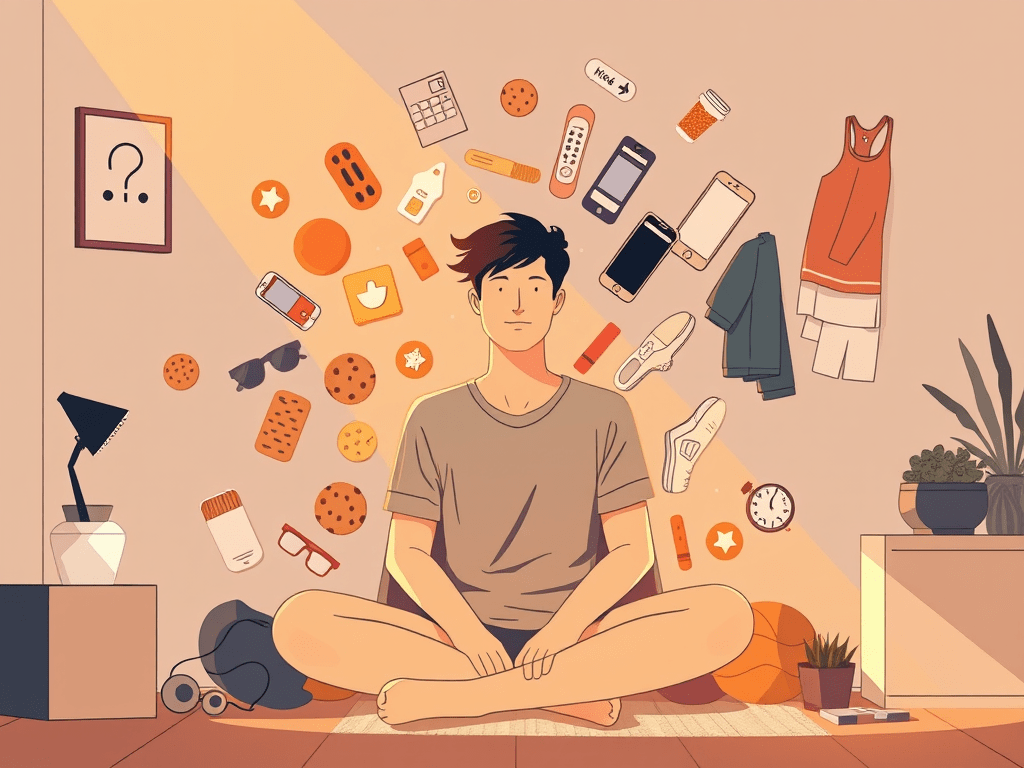
Environment influences your behavior more than willpower does. External stimuli impact how we react and respond, and effects decision-making processes. According to neuroscience research, external cues drive behavior. This isn’t surprising news! Think about every time you walk into the kitchen to find a plate full of cookies. You take one, maybe two, and come back again a few minutes later for another. That plate of sweets is a cue that creates the behavioral response of taking and eating a cookie. Without that place, you would not engage that that specific behavior, which decreases your sugar intake for that day.
Another example of this is the proximity of your phone while you’re attempting to work or be productive. When it’s close by, the likelihood that you’ll reach for it and doom scroll increases (and your productivity decreases). On the other hand, without the environmental cue of your phone sitting within arm’s reach, you’re less likely to get up, get the phone, and scroll away from your work environment. This lack of distracting stimuli increases productivity and focus.
On the flip side, placing a water bottle on your nightstand is a cue to drink up first thing in the morning. Getting your workout clothes together is not only a cue to workout, it makes this habit easier to implement in your daily routine.
Takeaway: Making small changes to arrange your environment to decrease external cues that are distracting help make staying on track easier and more sustainable.
Stress
Stress isn’t necessarily a bad word. There is good stress – the kind that drives us to study for an important exam or practice for a competitive sporting event. Eustress – the good stress – improves performance. This makes tasks more motivating, more exciting, and is typically a short-term sensation that changes regularly. Distress – the bad stress – negatively affects performance and emotional health. This includes financial difficulties, work-related stress, and pressure from everyday life that feel unmanageable. These chronic stresses aren’t as easy to remedy and can become overwhelming and depleting.
When distress is high, it is harder to take care of oneself – never mind try to create healthy habits. Maybe you are a single parent and all of the childcare duties are your sole responsibility, or your family is facing severe financial problems. These factors influence how you respond to your environment, the energy you have to put forth to creating a healthy lifestyle, and your access to valuable resources.
Takeaway: Managing stress isn’t easy. Finding balance is key for setting yourself up for success.
Reinforcement
In behavior change terms, reinforcement refers to a consequence that increases the likelihood of that behavior occurring. That means something that directly follows a behavior (i.e. what happens right after) that makes that behavior happen again in the future.
Consider this: You love hot showers. Hot showers are highly coveted as a busy parent. You get to relax, feel the warmth on your muscles, and enjoy the steamy aftermath in the bathroom. But – the only time you get to enjoy a hot shower is if you get the kids into bed by a certain time at night so you aren’t too exhausted to enjoy the activity. This creates an unwritten contingency in your nighttime routine. If I get the kids in bed by 8pm, I get to enjoy a hot shower alone, without kids climbing all over me. This increases the likelihood that you will start the bedtime routine at 7:15pm so the kids get in bed by 8pm. The reinforcement of taking the hot shower increased the overall behavior.
When trying to create healthy habits, reinforcement plays an important role. Without it, what’s keeping you on track? Reinforcement is driven by motivation, but developing contingencies – written or unwritten – create systems that drive behavior. Think “if I do this, I get that”.
Remember: Reinforcement looks different for everyone. We’ll discuss this more below.
Small Changes that Make Habits Easier to Maintain
Habits don’t happen by accident, and they don’t stick without intention. Intentionality = putting systems in place that work.
Making small changes to your environment make a huge difference in your daily actions. Examples were mentioned above but also include small, simple changes like creating a realistic cleaning routine to keep your space tidy. This prevents the need to spend the entire weekend cleaning after working a demanding job all week. Keeping important documents in one spot is also a great way to design your environment to work with you, not against you. Place a calendar in a main area, on the refrigerator or by the door, for visual reminders of important events.
Decreasing bad stress, as hard as it may be, is crucial to your overall well-being. Take time for yourself – even when it feels like your to-do list is never-ending and time is of the essence. Just 10 minutes to sit with a warm cup of tea and a good book can make all the difference. Doing some skincare, putting on simple makeup, or taking a few moments to breathe (or meditate) in the quiet are quick ways to experience calm. Spend a couple extra minutes in the car before going in the house – no one will know and it’ll help you relax before facing the chaos.
Think about what reinforces your behavior. What motivates you to do something again, and again.. and again? What can you write into a contingency that will consistently increase your behavior in order to gain access to it? This is different for every person. Sometimes, it’s a tangible item that you’re yearning for. Other times, it’s the internal feeling of gratification or praise received from others. Whatever it may be, remember that reinforcement must increase the likelihood of engaging in a certain behavior in the future. If it doesn’t increase your behavior, it isn’t reinforcement, and it’s time to go back to the drawing board.
Better Systems = Sustainable Habits
Creating a system that works for you creates the best outcome for habit formation. Relying on willpower and motivation alone will leave you frustrated, disappointed, and dissatisfied with your health and wellness journey. A system that works for your lifestyle (including current environment, stress levels, and reinforcement options) will make all of the difference in your healthy habits.
Remember: The problem isn’t you, it’s your systems. Create better ones to really see an improvement in your overall well-being.
Follow along for more ways to create a healthier lifestyle with tips based on behavioral science 😊
 Behave and Bloom
Leave a comment